Boutique vs luxury hotel: how to choose
Boutique hotels emphasize intimate scale and a clear design point of view. Luxury hotels emphasize deep service, polished amenities, and often a larger footprint. Many trips need one more than the other. The right pick starts with the neighborhood and the kind of weekend you want, not with a star count alone.
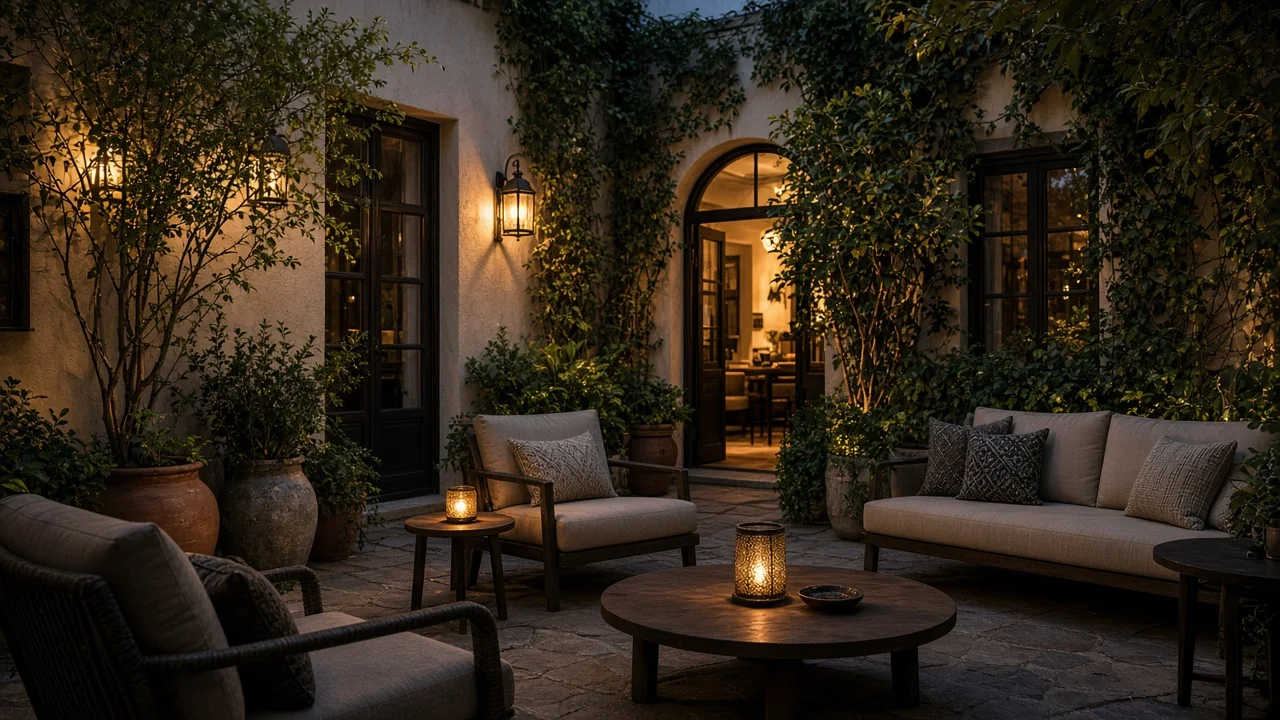
What “boutique” usually means
In travel writing and hotel marketing, boutique usually points to a smaller property with a strong design story, a distinctive lobby or restaurant, and a sense that the building belongs to its block. Historic Hotels of America and similar programs highlight character-rich properties that are not interchangeable glass towers; see Historic Hotels of America. Boutique is not a regulated legal category in the US the way some star systems are abroad. It is a style signal.
That style fits weekends where you want to walk out into a specific neighborhood: South Congress in Austin, the Historic District in Charleston, or a quieter Garden District stretch in New Orleans. Our city guides (Austin, Charleston, New Orleans) start with those blocks for a reason.
What “luxury” usually means
Luxury, as used by inspection bodies such as Forbes Travel Guide, is closer to a service and amenity standard: staffing ratios, housekeeping detail, spa and dining depth, and consistent execution. Large luxury hotels can still feel personal, but the building often supports more rooms, more F&B outlets, and more group demand. AHLA industry context reminds us the US lodging market spans everything from limited-service inns to full-service resorts; see AHLA Our Industry.
Choose grand luxury when you want a spa day built into the stay, serious room service late at night, or a buffer from a loud entertainment district a few blocks away. Downtown Miami and parts of Nashville reward that cushion; see Miami and Nashville.
Side-by-side decision checklist
- Scale: Boutique leans small and singular. Luxury often leans larger and more amenity-rich.
- Service depth: Both can be excellent. Luxury brands usually staff for more hours and more request types.
- Neighborhood texture: Boutique often wins when the street itself is the attraction.
- Noise: Independent of the label. Read recent guest notes about the block and the floor.
- Price clarity: Compare all-in rates, including any resort or destination fees.
How Noravelle uses both labels
We are not a star rating body. Our how we pick luxury hotels method puts neighborhood first, then trip personality: boutique when character and scale matter most, grand luxury when service depth and footprint matter more. The companion page how to choose a luxury hotel walks through practical filters before you open a booking form. For rate talk without invented prices, read how pricing works.
Hotels listed on Noravelle Stays do not endorse us and are not official partners. Checkout happens on the hotel’s own site, not here.
Boutique vs luxury FAQ
Is a boutique hotel always smaller than a luxury hotel?
Often, but not by a fixed room count. Boutique signals intimate scale and design point of view. Luxury signals service depth and often a larger amenity set.
Can a hotel be both boutique and luxury?
Yes. Many properties use both words. Judge neighborhood fit, service, and amenities you will use.
Which is quieter for a weekend trip?
Neither label guarantees quiet. Check the block and recent guest notes about noise.
How does Noravelle choose between the two?
Neighborhood first, then trip personality. Details live on our hotel-picking method page.